
A restriction in the diesel particulate filter (DPF) is not just a simple problem with one fix; it is a result of various factors. Successful service involves identifying why the restriction happened, what it is made of, and if the filter’s substrate is still structurally sound. Modern aftertreatment strategies intentionally manage soot via regeneration, but they cannot remove non-combustible residue (ash) or repair physical damage within the filter.
For fleet decision-makers, the key question is: when does DPF cleaning restore function with consistent results, and when does DPF replacement prevent ongoing downtime and secondary failures? The most dependable answer comes from a thorough diagnostic process, not just a warning light.
How the DPF Functions and Why Restriction Occurs
A DPF reduces particulate emissions by physically trapping particulate matter in a porous filter structure. As particulate matter builds up, exhaust restriction increases. The engine or aftertreatment controls monitor this restriction to determine when soot loading needs regeneration.
During passive regeneration, exhaust temperatures are high enough under normal operation to oxidize accumulated particulate matter without needing extra fuel or commanded heat. During active regeneration, the control system employs additional methods (typically fuel dosing and thermal management) to raise temperatures and burn off soot when typical duty cycles do not generate sufficient heat. Stationary (parked) regeneration is a controlled form of active regeneration used when operating conditions do not support on-road events.
Since loading and regeneration create predictable backpressure patterns, most systems pair the DPF with backpressure monitoring, typically using a differential pressure sensor to measure the pressure drop across the filter and support regeneration decisions and diagnostics.
Soot, Ash, and Contamination: Three Different “Clogs” With Different Outcomes
Technicians categorize causes of restriction into three main groups, each indicating whether cleaning will be successful.
Soot load (combustible)
Soot is the carbon-rich part of particulate matter that regeneration aims to oxidize. When soot accumulates faster than it can be removed by regeneration, it causes restrictions, and the system may reduce performance or trigger regeneration. In such cases, cleaning may be appropriate if soot has reached a level where regular regeneration cannot restore flow and the substrate remains intact.
Ash accumulation (non-combustible)
Ash is a non-combustible residue primarily derived from lubricant oil additives and fuel additives. Regeneration removes soot, but ash remains and gradually builds up baseline backpressure. Regular cleaning is the usual solution for ash buildup because it cannot be burned off during operation.
This distinction matters operationally: a vehicle can appear to “regen normally” yet still exhibit chronic restriction as ash gradually reduces available filter volume and increases pressure drop.
Contamination (oil, fuel, coolant, or external debris)
Contamination impacts the service prognosis. When oil or coolant enters the exhaust stream, the DPF can develop deposits that are hard to fully remove and may cause quick re-plugging unless the root cause is addressed. In fleet practice, technicians consider contamination a risk factor for substrate damage, catalyst degradation, and recurring failures, often leading them to replace components if inspection and performance testing do not show full recovery after cleaning.
What Technicians Evaluate Before Recommending Cleaning or Replacement
A thorough decision-making process typically involves four steps: verify data accuracy, review operational history, examine the component, and confirm performance.
1) Confirm restriction data is reliable
Because regeneration decisions and many fault strategies depend on pressure and temperature inputs, technicians verify the measurement chain before condemning the DPF.
They commonly validate:
- Function and plausibility of differential pressure sensors (pressure drop should match engine load and exhaust flow)
- Ensure pressure line integrity (hoses and ports must not be melted, plugged with soot, kinked, or leaking).
- Exhaust temperature sensor plausibility (inconsistent temperature reporting may prevent commanded regeneration or cause it to end prematurely)
This step is crucial because a sensor or plumbing fault can imitate a restriction and lead to unnecessary cleaning or replacement.
2) Review regeneration history and duty cycle
Regeneration frequency depends on duty cycle, particulate emission rate, and filter technology. Short-haul work, extended idling, and low-load operation often reduce exhaust temperature exposure and increase the chance of incomplete or aborted regeneration events. This can lead to a rapid buildup of soot, which can appear as a “sudden” DPF failure, even though the root cause is operational. When service records indicate unusually frequent cleaning needs, the best practice is to perform diagnostics to determine why cleaning intervals are shortened, rather than repeatedly cleaning without addressing the underlying cause.
3) Perform a physical inspection for substrate integrity and heat distress
Cleaning cannot repair a damaged substrate. Technicians inspect for indicators consistent with failure modes documented in commercial use, including melting, cracking, breakage, and catalyst deactivation in filters exposed to adverse conditions or improper thermal events.
Typical considerations for inspection include:
- Possible external canister damage that may have fractured the internal monolith.
- Evidence of over-temperature exposure and localized hot spots, often linked to uncontrolled regeneration or upstream fueling problems.
- Signs of fluid intrusion patterns indicating contamination risk
4) Verify performance with objective testing
A high-quality service program depends on measurable before-and-after results. The most common method is to compare pressure drops (or, when available, a dedicated flow test) before cleaning, after cleaning, and after installation under controlled operating conditions. Monitoring backpressure trends aligns with recommended maintenance strategies for DPF-equipped vehicles.
What “Proper DPF Cleaning” Typically Includes
Professional guidance defines cleaning as a controlled process that removes ash and residual deposits while safeguarding the substrate.
Generally, cleaning involves:
- Removing the DPF from the vehicle
- Heating the filter during the cleaning process
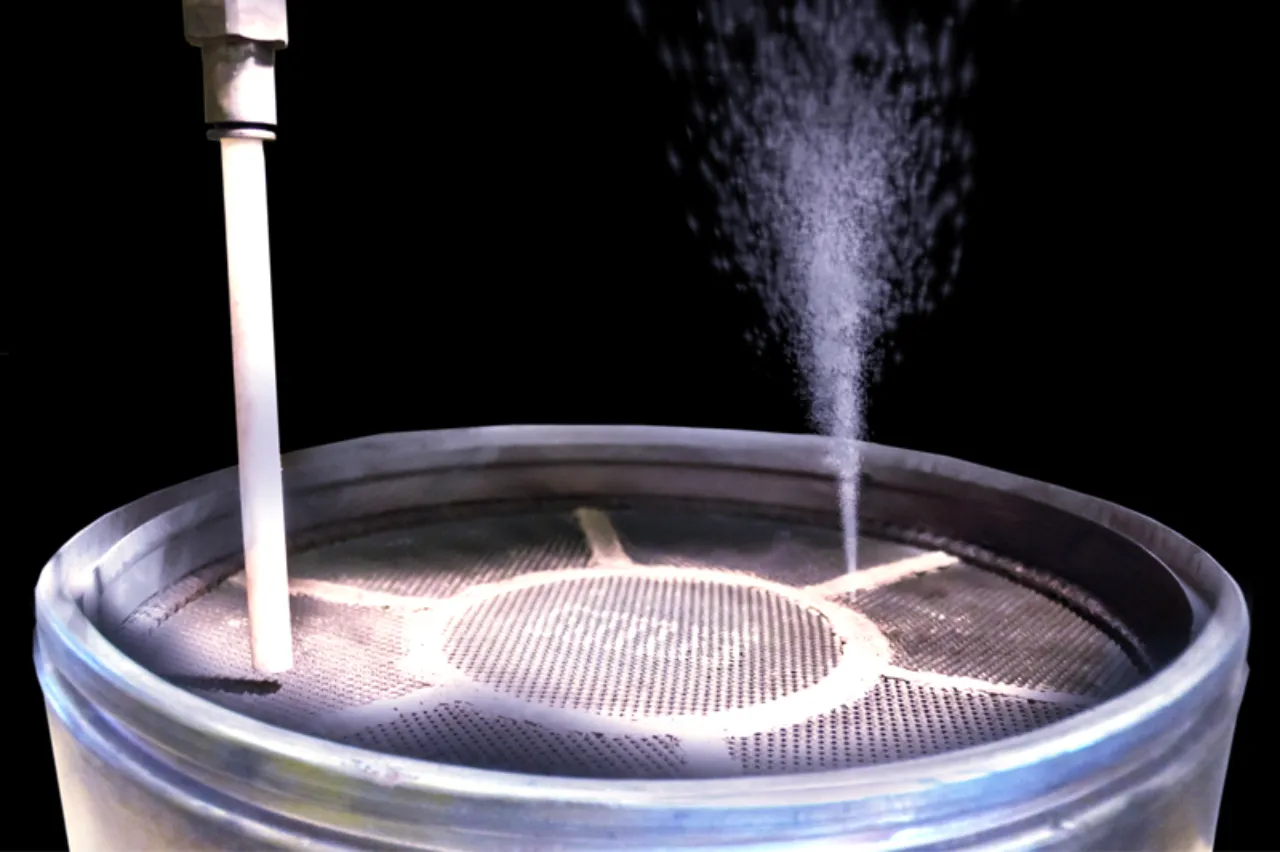
- Using compressed air along with a vacuum system to dislodge ash and collect it in a sealed container.
This method is commonly cited because ash is non-combustible and needs to be mechanically extracted.
Operationally, many fleets also adopt documentation practices that record installation details, mileage, service dates, and cleaning events to identify abnormal patterns and find vehicles that load filters more quickly than expected.
When Cleaning Works: Typical Success Profiles
Cleaning is most likely to succeed when restriction is caused by ash (expected long-term buildup) or soot that surpasses the system’s ability to regenerate under the vehicle’s duty cycle, and when the substrate remains intact.
Scenario A: Gradual backpressure increase over time with no heat distress indicators
A gradual increase in baseline backpressure aligns with ash buildup that can’t be cleared through regeneration. Regular cleaning is the standard approach, and service intervals are often measured in months across many operating profiles, with shorter intervals indicating underlying issues that require diagnosis.
Scenario B: Restriction following repeated incomplete regeneration events
When regeneration is often interrupted or cannot achieve the necessary thermal conditions, soot may accumulate quickly. If inspection shows no substrate damage and the sensor inputs are valid, cleaning and fixing the conditions that hinder proper regeneration can restore the system to normal operation.
Scenario C: Reliable before/after recovery demonstrated by test results
A successful cleaning result is shown, not assumed. When post-clean pressure drop and operational regeneration return to expected levels under similar load conditions, cleaning is a justifiable corrective action.
When Cleaning Does Not Work: Common Failure Profiles
Cleaning is unlikely to yield long-lasting results under the following conditions.
1) Structural damage (cracked, melted, broken substrate)
DPF substrates can fail during commercial operation, and documented degradation modes include melting, breakage, and failures that impair filtration and flow. Once the monolith is structurally damaged, cleaning cannot restore its integrity, and replacement is usually needed to restore emissions performance.
2) Thermal events tied to upstream engine or dosing faults
Aftertreatment requires controlled temperature exposure. When exhaust temperature is mismanaged—whether due to fueling faults, improper regeneration control, or upstream mechanical issues—localized overheating can damage the DPF. Because successful regeneration depends on maintaining an adequate temperature for a sufficient duration, any condition that destabilizes thermal control increases the risk of DPF damage and recurring failures.
3) Contamination that indicates unresolved root causes
Field guidance highlights that many DPF replacements occur due to upstream issues or maintenance problems, such as oil, fuel, or coolant contamination. These conditions can cause serious damage if left unaddressed. If contamination is detected, the repair process must include identifying and fixing the root cause and confirming that the filter’s performance returns to normal; otherwise, replacement is usually the safer choice.
4) Recurring restriction shortly after cleaning
When a vehicle returns with restrictions shortly after a verified cleaning, technicians interpret that as evidence of either (a) an unresolved upstream soot source, (b) a sensor or control issue preventing proper regeneration, or (c) an internal condition (damage, catalyst degradation, contamination) that cleaning could not fix. Diagnostic guidance advises investigating the reason for shortened cleaning intervals rather than repeating cleanings.
Replacement: What Changes and What Must Be Verified
Replacement addresses integrity, not root cause
A new DPF restores flow capacity and filtration integrity, but it does not address the operational or mechanical issues that caused the restriction. If the upstream driver remains (e.g., abnormal oil consumption, injector faults, or thermal control problems), the replacement filter can load quickly and reproduce the failure pattern. This is why best-practice guidance emphasizes engine maintenance, monitoring fuel and oil consumption, and understanding the relationship between engine condition and DPF durability.
Installation correctness matters
After cleaning or replacement, the DPF must be reinstalled in the correct flow direction to ensure proper function. This detail is often included in maintenance instructions because incorrect installation can cause immediate performance issues and false positives in diagnostics.
Control system validation is part of a complete repair
Because modern systems use sensor feedback and control strategies for managing regeneration, technicians verify:
- Pressure sensing accuracy post-installation
- Regeneration behavior under proper operating conditions
- Integration with a broader aftertreatment system (typically DOC + DPF + SCR, depending on configuration)
Practical Prevention Strategies That Reduce Repeat DPF Events
A prevention plan should focus on the specific mechanisms that cause soot overload, speed up ash buildup, or disrupt regeneration.
Maintain engine health and monitor consumables
Maintenance guidance emphasizes monitoring fuel and lubrication oil usage, since some engine problems can be masked by a DPF until damage occurs. In practice, this means seeing increases in oil use, smoke changes, and injector performance issues as signs of aftertreatment risks, not separate problems.
Monitor backpressure and respond early
Backpressure monitoring systems are designed to alert operators when thresholds are exceeded, indicating that maintenance is required. Early detection helps prevent derates, incomplete regenerations, and heat-stress events caused by severe restrictions.
Align duty cycle with regeneration requirements
When the duty cycle cannot support passive regeneration, active strategies become more common. Operational adjustments that increase sustained exhaust-temperature exposure—when feasible and compliant with safety policies—reduce interrupted regenerations and limit soot buildup. The main principle remains the same: regeneration requires a sufficiently high temperature maintained for long enough; without this, the risk of plugging increases.
Use records to identify outliers
Documentation of installation, cleaning, mileage, and service events supports trend analysis and helps identify vehicles with abnormal service intervals. This is especially useful in mixed-duty fleets, where one assignment pattern can cause repeated aftertreatment issues, while others remain stable.
Conclusion
DPF cleaning is the preferred corrective measure when the filter is structurally intact and restriction primarily results from soot overload or long-term ash buildup, as verified by reliable sensor data and objective performance testing before and after cleaning. DPF replacement is a more dependable solution if the substrate is damaged, if there is thermal distress or contamination, or if restriction returns quickly after confirmed cleaning—especially when upstream causes are not addressed.
If your fleet experiences repeated DPF derates or frequent regeneration failures in the Milwaukee area, schedule a diagnostic process that includes validated pressure and temperature data, a review of regeneration history, physical inspection, and documented pre- and post-performance testing. Elite Fleet Services can assist in making a structured decision between cleaning and replacing based on the measured results.
