
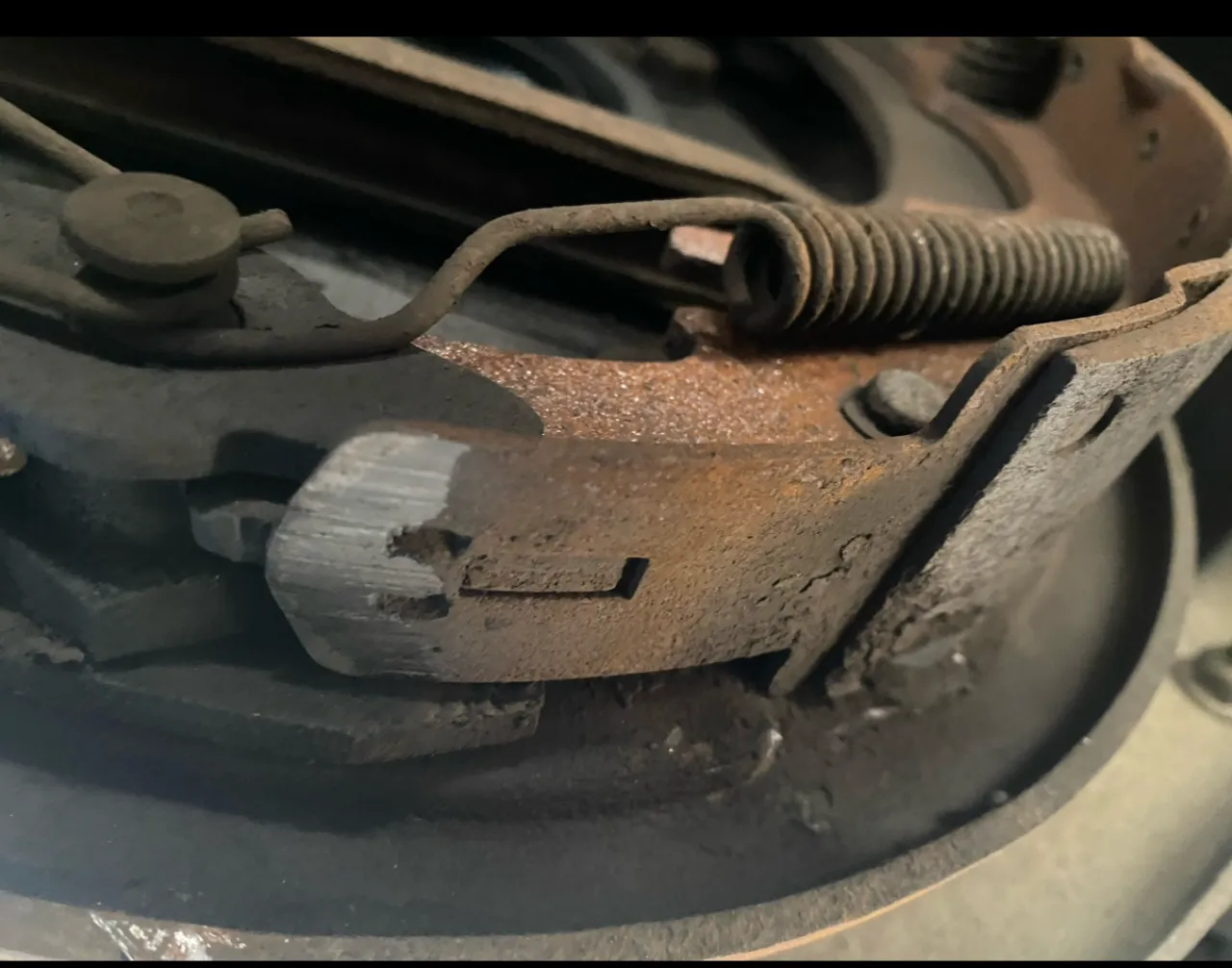
Heavy-duty brake systems operate using compressed air and rely on multiple interconnected components to function effectively. Regular inspections and preventive maintenance are critical to keeping these systems operating at peak efficiency.
Why Brake Maintenance Matters for Fleet Operations
Brake systems are among the most critical safety components on any commercial vehicle. A failure within the braking system can increase stopping distances, compromise vehicle control, and create serious risks for drivers and other motorists.
Beyond safety concerns, neglected brakes often result in costly repairs. Excessive wear on one component frequently places additional stress on surrounding parts, accelerating overall system deterioration. Consistent maintenance helps identify wear patterns early, allowing repairs to be completed before larger failures occur.
Fleet operators who prioritize brake maintenance often experience:
- Improved vehicle safety
- Reduced downtime
- Lower repair costs
- Extended component lifespan
- Better regulatory compliance
- Increased fleet reliability
Conduct Regular Brake Inspections
Routine inspections form the foundation of any effective brake maintenance program. Drivers and maintenance personnel should inspect brake systems according to manufacturer recommendations and fleet service intervals.
Key inspection areas include:
Brake Drums
Brake drums should be checked for excessive wear, cracks, heat spots, and scoring. Damaged drums can reduce braking efficiency and accelerate brake shoe wear.
Brake Shoes
Brake shoe linings gradually wear down through normal operation. Inspect lining thickness regularly and replace shoes before they reach the minimum allowable specifications.
Air Lines
Air lines deliver compressed air throughout the braking system. Inspect them for leaks, cracks, abrasions, and loose fittings. Even minor air leaks can reduce brake performance and increase compressor workload.
Service Chambers
Service chambers convert compressed air pressure into mechanical braking force. Look for corrosion, physical damage, or signs of diaphragm failure during inspections.
Slack Adjusters
Automatic slack adjusters help maintain proper brake adjustment. Improperly functioning slack adjusters can lead to uneven braking, excessive stopping distances, and accelerated wear.
Monitor Air System Performance
Air brake systems depend entirely on adequate compressed air pressure. Maintaining the air system is essential for ensuring consistent braking performance.
Routine air system maintenance should include:
- Checking air pressure build-up times
- Inspecting air tanks for contamination
- Draining moisture from reservoirs
- Verifying air dryer functionality
- Identifying and repairing air leaks
Moisture accumulation in the air system causes corrosion, shortens component lifespans, and can lead to freezing conditions during winter operation. Air dryers play a critical role in preventing moisture-related damage and should be inspected regularly.
Maintain Proper Brake Adjustment
Brake adjustment directly impacts stopping performance. Excessive brake stroke can reduce braking effectiveness and create compliance issues during inspections.
Although many heavy-duty trucks utilize automatic slack adjusters, these components still require regular inspection. Automatic systems are designed to maintain proper adjustment but may not compensate for underlying mechanical issues.
Technicians should routinely verify pushrod travel measurements and inspect adjustment mechanisms for wear or malfunction. Addressing adjustment concerns early helps maintain optimal brake response and prevents uneven wear across the fleet.
Watch for Signs of Brake Wear
Brake systems typically provide warning signs before major failures occur. Fleet personnel should be trained to recognize common indicators of brake problems.
Common warning signs include:
- Increased Stopping Distance: Longer stopping distances often indicate worn brake components, air system issues, or improper adjustment.
- Unusual Noises: Grinding, squealing, or scraping sounds frequently signal excessive brake shoe wear or damaged drum surfaces.
- Vehicle Pulling During Braking: A truck that pulls to one side while braking may have uneven brake adjustment, contaminated linings, or component failure.
- Air Pressure Issues: Frequent low-air warnings or slow pressure recovery can indicate leaks or compressor-related problems. Promptly addressing these symptoms helps prevent further damage and reduces repair costs.
Implement Preventive Maintenance Schedules
Preventive maintenance remains one of the most effective methods for maximizing brake system longevity. Rather than waiting for failures to occur, fleet operators should establish structured service intervals based on mileage, operating conditions, and manufacturer recommendations.
An effective preventive maintenance program typically includes:
- Scheduled brake inspections
- Air system testing
- Brake adjustment verification
- Component lubrication, where applicable
- Drum and shoe measurements
- Air dryer servicing
- Replacement of worn components
Documenting maintenance activities also helps identify recurring issues and supports compliance during audits and inspections.
Train Drivers to Protect Brake Systems
Drivers play a significant role in brake system health. Proper driving habits can substantially reduce brake wear and extend service intervals.
Best practices include:
- Minimize Aggressive Braking: Hard braking generates excessive heat and accelerates wear on brake shoes and drums.
- Use Engine Braking When Appropriate: Engine brakes help reduce reliance on service brakes during downhill descents and heavy-load operations.
- Conduct Daily Inspections: Pre-trip and post-trip inspections allow drivers to identify visible issues before they become serious problems.
- Report Concerns Immediately: Drivers should report unusual brake behavior, warning lights, or performance changes as soon as they occur. Creating a culture of proactive reporting helps maintenance teams address issues before they impact fleet operations.
Keep Detailed Maintenance Records
Accurate recordkeeping is an essential component of fleet brake management. Maintenance records provide valuable insights into component performance, repair frequency, and overall fleet health.
Comprehensive records should include:
- Inspection dates
- Component replacements
- Brake measurements
- Air system test results
- Technician observations
- Repair history
These records help fleet managers identify trends, improve maintenance planning, and support regulatory compliance requirements.
Partner with Experienced Fleet Maintenance Professionals
Heavy-duty brake systems are complex and require specialized expertise. Working with qualified technicians ensures inspections, adjustments, and repairs are completed correctly.
Professional maintenance providers can assist fleets by:
- Performing comprehensive brake inspections
- Diagnosing air system issues
- Conducting compliance inspections
- Implementing preventive maintenance programs
- Identifying developing component failures
Routine professional evaluations help ensure brake systems remain reliable under demanding operating conditions.
Schedule Brake Service in Milwaukee, WI
For professional mobile brake inspections and repair services in Milwaukee, WI, contact our team at Elite Fleet Services. Our experienced technicians can help keep your fleet operating safely, efficiently, and reliably year-round.
